
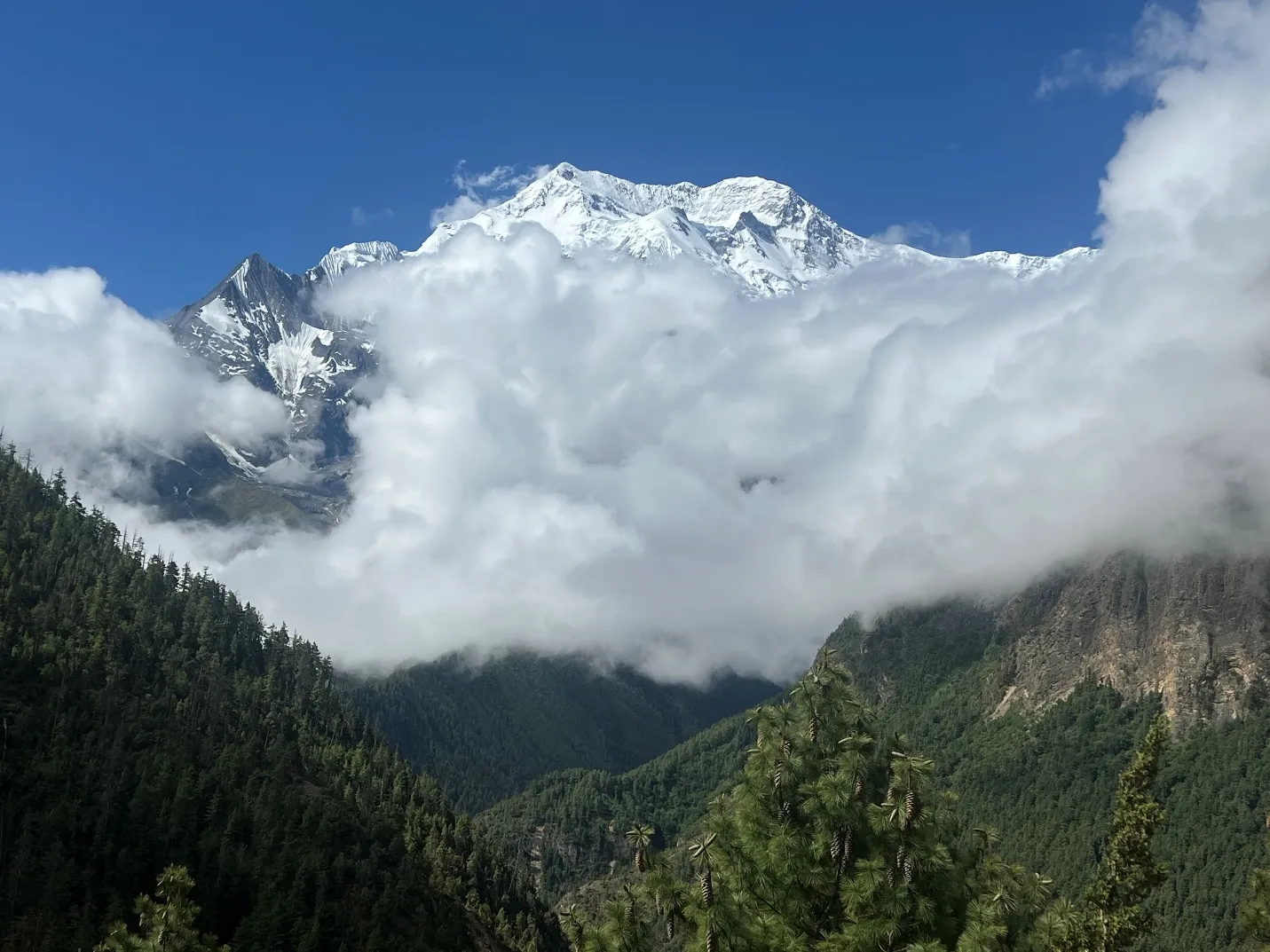
Most travelers associate trekking in Nepal with the popular spring and autumn seasons. However, adventurous trekkers often discover that the monsoon season reveals a completely different side of the Himalayas. From lush green valleys and blooming wildflowers to quieter trails and authentic cultural experiences, monsoon treks in Nepal offer unique rewards that many visitors overlook.
The monsoon season typically runs from June to August, bringing regular rainfall across much of the country. While some trekking regions become challenging due to muddy trails and limited visibility, several destinations remain excellent choices for trekking during this period. In fact, many experienced trekkers prefer monsoon adventures because they enjoy fewer crowds and vibrant landscapes.
Why Choose a Monsoon Trek in Nepal?
The monsoon season transforms Nepal’s hills and valleys into a green paradise. Forests become lush and vibrant, waterfalls flow at their strongest, and mountain villages appear even more picturesque against the emerald backdrop.
One of the biggest advantages of trekking during the monsoon is the peaceful atmosphere. Popular trekking routes that are crowded during autumn become much quieter, allowing trekkers to enjoy nature without large groups of visitors.
Accommodation is often easier to find, and many trekking lodges offer a more relaxed experience. Travelers also have greater opportunities to interact with local communities and experience authentic mountain life.
Best Monsoon Trekking Destinations in Nepal
Not every trekking region is suitable during the rainy season. Fortunately, Nepal offers several excellent routes that perform well even during monsoon months.
Upper Mustang Trek
The Upper Mustang region lies in the rain-shadow area of the Himalayas. Because the high mountains block most of the monsoon clouds, this region receives significantly less rainfall than other parts of Nepal.
Trekkers can explore dramatic desert-like landscapes, ancient monasteries, cave settlements, and centuries-old Tibetan culture. The unique scenery makes Upper Mustang one of the best monsoon trekking destinations in Nepal.
Nar Phu Valley Trek
Located in the Annapurna region, the Nar Phu Valley also benefits from its location in a rain-shadow zone. This remote trekking destination offers rugged mountain landscapes, medieval villages, and stunning Himalayan views.
The trail remains relatively untouched compared to Nepal’s more popular trekking routes, making it perfect for travelers seeking solitude and adventure.
Upper Dolpo Trek
Upper Dolpo offers one of Nepal’s most remote and culturally rich trekking experiences. The region features dramatic landscapes, ancient Buddhist traditions, and pristine wilderness. Since much of the area lies in the rain shadow, trekking remains possible during the monsoon season.
Although challenging, Upper Dolpo rewards adventurous trekkers with extraordinary scenery and authentic cultural encounters.
Unique Experiences During Monsoon Treks
Monsoon trekking offers experiences that are difficult to find during other seasons. The countryside becomes incredibly green, rivers flow with renewed energy, and the fresh mountain air creates a refreshing environment for trekking.
Photographers often appreciate the dramatic cloud formations that develop around the mountains. The changing weather creates unique opportunities to capture stunning landscapes and atmospheric scenes.
Birdwatchers also enjoy the monsoon season because many species become more active during this time of year. The forests and wetlands support a rich variety of wildlife and plant life.
Challenges of Monsoon Trekking
Although monsoon trekking offers many benefits, trekkers should also prepare for certain challenges. Rain can make trails muddy and slippery, especially in lower elevations. Leeches may appear in forested areas, and occasional flight delays can affect travel plans.
Proper preparation is essential. Waterproof clothing, rain covers for backpacks, sturdy trekking boots, and flexible itineraries help ensure a safe and enjoyable experience.
Trekkers who choose suitable routes and prepare appropriately often find that the rewards far outweigh the challenges.
Winter Treks in Nepal: Another Underrated Adventure
While monsoon trekking offers lush landscapes and fewer crowds, winter treks in Nepal provide a completely different Himalayan experience. Winter typically lasts from December to February and brings clear skies, crisp mountain views, and peaceful trails.
Many trekkers avoid Nepal during winter because of colder temperatures. However, several trekking routes remain highly accessible and offer exceptional conditions during this season.
Benefits of Winter Trekking
Winter often provides some of the clearest mountain views of the year. The atmosphere becomes dry and stable, allowing trekkers to enjoy spectacular panoramas of the Himalayan peaks.
Popular trekking routes become significantly less crowded, creating a more peaceful and intimate trekking experience. Lodges and tea houses are usually quieter, and trekkers can enjoy greater flexibility during their journey.
Popular Winter Treks in Nepal
The Ghorepani Poon Hill Trek is one of the best winter trekking options. The route remains accessible, and trekkers can enjoy breathtaking sunrise views over the Annapurna and Dhaulagiri ranges.
The Langtang Valley Trek also attracts winter adventurers who want to experience snow-covered landscapes and traditional mountain villages without the crowds of peak trekking seasons.
Lower-altitude sections of the Annapurna Base Camp Trek can also be enjoyable during winter when weather conditions remain stable.
Things to Consider During Winter
Winter trekking requires warmer clothing and careful preparation for cold temperatures, especially at higher elevations. Snow may occasionally block certain high passes, and temperatures can drop below freezing during the night.
Despite these challenges, many trekkers consider winter one of the most rewarding times to explore Nepal’s mountains due to the exceptional visibility and peaceful environment.
Conclusion
Nepal offers incredible trekking opportunities throughout the year, and both monsoon and winter seasons provide unique advantages for adventurous travelers. Monsoon treks reveal lush green landscapes, vibrant nature, and quieter trails, while winter treks showcase crystal-clear mountain views and peaceful Himalayan experiences.
Whether you choose to explore the rain-shadow regions during the monsoon or enjoy the snow-capped scenery of winter, Nepal continues to offer unforgettable adventures beyond the traditional trekking seasons. For travelers seeking a different perspective on the Himalayas, monsoon and winter trekking may become the most memorable journeys of all.
Plan Your Nepal Trek with Local Expertise:
If you are planning to hike or trek in Nepal and want honest guidance, well-paced itineraries, and deep local Himalayan knowledge, feel free to get in touch.
WhatsApp / Contact: +977 9851205116
Gmail: ebchike99@gmail.com
