
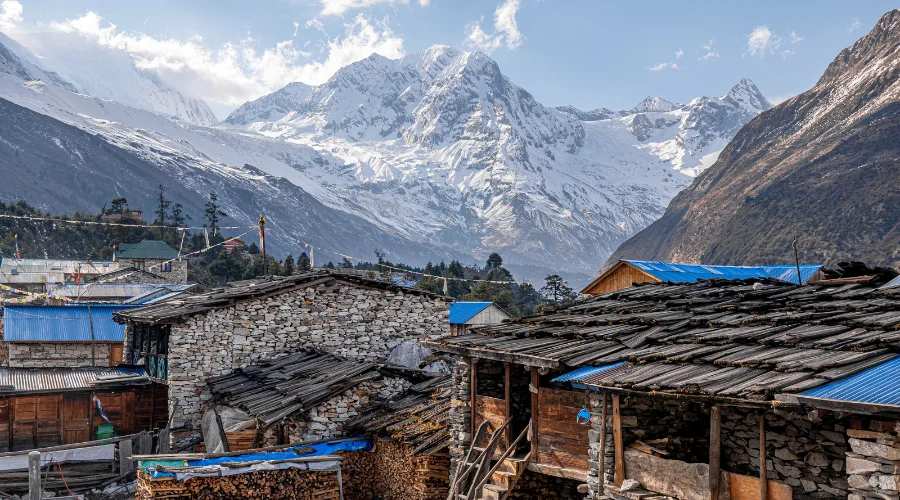
The Manaslu Circuit Trek is, without doubt, one of the most authentic treks in all of Nepal—and unlike any other trek here, trekkers experience life on the mountain with traditional villages against a stunning natural backdrop. Unlike some trekking routes that have been heavily developed, the natural beauty and culture of the Manaslu region remain relatively undisturbed.
The route takes us through villages, where for most people ancient traditions, Buddhist culture, and hospitality are intertwined in everyday life. When it comes to trekking mountain peaks in Nepal bordering Tibet, the Manaslu Circuit Trek is the best of both worlds: great mountain views from high above and learning about smaller regions with traditional stone-built villages and centuries-old monasteries—perfect for immersive travelers seeking more than just a pretty view!
Because of its residual photo of Valley
The very fact that the Manaslu Circuit Trek is taken to remote regions gives you a sneak peek of genuine village life as well. This is a contrast to the more developed areas of the West; it requires taking you through remote parts with almost no modern infrastructure development.
The purity of the villages serves as a literal and figurative bedrock for which traditional agriculture, local tradition, and community lifestyle meet a trek from where it runs. The isolation from the large cities has helped ensure these settlements remain unspoiled. The Himalayan Manaslu region, however, is still home to the ways of life that have been practiced for millennia and which illustrate daily labor echoing ancestry and substandard human passing on through generations in this piece of Hindu Himalaya.
Get deep into Sherpa as well as Tibetan behaviors.
The Nepal Manaslu circuit trek boasts a robust cultural outlook in the company’s corresponding Tibetan Buddhism traditions and Himalayan-style ethnic assemblages of peoples. Villages dotted throughout exhibit unique dialects, vernacular, faith, and styles of mountain life. This enables the structure of monasteries to trail through treks, prayer flags rising and crashing onto the mountains’ flanks, and the local identity of spirituality by all fronts. Such experiences give you a taste of the intertwined fabric of human and nature that is at the heart of Himalayan communities. The Manaslu region is an interesting cultural experience as Tibetan heritage intermingle with local customs.
Avoid hotels, and stay at local tea houses or with families.
The best way to experience local village life during the Manaslu Circuit Trek is by choosing alternate teahouse accommodation instead of camping. The lodges themselves are operated locally by mountain families who greet trekkers with the customary warmth of local hospitality.
These teahouses are also places where you meet local people and learn more about their way of living, as well as eat food made by locals themselves. This is extremely personal in nature, and when compared to big hotels in the city, you will understand, as there would be no way tourists can actually see what living in the Himalayas really looks like. These are often the most meaningful moments of the experience.
Hiking in traditional villages.
On the way, you will pass traditional villages that seem to have endured centuries intact, a testament to the history and culture of this spectacular part of our planet. The highlands townships such as Samagaun and Samdo—settlements along your trail—are best known for quaint traditional houses, monasteries, and local ways of life. As trekkers walk through these villages, one can observe how families have lived their lives in high-altitude areas. The architecture has been left to decay, and the towns seem eerily quiet, which allows for a time travel experience in a way. Villages are the center of the Manaslu adventure.
To know more about your local farming and mountain living agriculture,
Manaslu’s way of life is intricately tied to nature, agriculture, and regional seasons. The Manaslu Circuit tour lets you experience the traditional agriculture, animal husbandry, and lifestyles of locals who have made their lives in this challenging mountain setting. The residents also rely heavily on agriculture, livestock, and natural resources to support their livelihoods. To roads that are being built to inform trekkers about the characteristics and difficulties facing road-dedicated communities in the Himalayan Peaks. They are moments that bind the visitors to the inhabitants of these hills.
Participate in Genuine Cultural Interactions
Since the circuit has more solitude, this affords lots of opportunities for authentic cultural engagement. Travelers tend to have more close encounters with locals, as they will meet fewer numbers than on famous treks. You do it as you share tales, discover traditions, and savor the best of village hospitality, which are some really pleasant memories. In interacting with the life of the region, trekkers experience the Himalayas as more than just a physical landscape. Cultural exchange between visitors and the community is one of the biggest assets of the Manaslu trek.
Tour of Monasteries and Legacy of Buddhism
The Manaslu Circuit trek is an essential mix of trekking and Buddhist monasteries. This journey stages holy places where pilgrimage tourists can see spiritual rites, amazing crafts, prayer wheels, and practices dating back thousands of years. Monasteries are silent places of reflection, highlighting the spirituality associated with mountain life. Respectful visits enlighten trekkers about the spiritual influences of Buddhism in this region of the Himalayas. Trekking becomes more than just an adventure with the extra layer of interest that is usually spiritual.
Enjoy Authentic Himalayan Cuisine
Manaslu Circuit is another festival, and food over there is something that you are going to experience and see on the trek. Trekking routes are dotted with tea houses serving rustic yet nutritious Himalayan fare to satiate stride seekers while guests experience the characteristic food of the region. There were local preparations, such as dal bhat, soups, noodles, and Tibetan-style foods. In the mountain villages, they will be cultural & relaxed after a day of trekking at mealtime. It is very basic but heartful food beneath the creativity of Himalayan settlements.
When you travel, you support local communities.
The Manaslu Circuit Trek, in particular, has been popularized as a way for the remote villages to capitalize on responsible tourism. Tourists spend in local teahouses, use local guides, and shop for local products that directly go to the local economy! Tourism enables local communities to preserve traditional lifestyles and improve education, health care, and infrastructure. It fosters a relationship between visitors and locals that promotes mindful trekking. Supporting local communities allows the culture of what makes this side of Manaslu special to continue.
Experience Festivals and Local Traditions
Based on the various seasons, trekkers are bound to show festivities and local celebrations while trekking on the Manaslu Circuit Trek. They normally include traditional music, religious ceremonies, dances, and local foods. More frequently, they are places where visitors become immersed in a few of the traditions that contribute both to Himalayan identity and to everyday values. Festivals signify the strong social link between a community, spirituality, and nature. These are all memories that last, especially for trek lovers who want to experience the life of the natives.
More of the Village Souls may be strangers, but fewer crowds make this number
The Manaslu Circuit Trek has fewer tourists—great for tranquillity and local village immersion. Where tourist masses congregate, interactions with locals can be a bit rushed or transactional. Manaslu route others conscious travel and avoid of heavy crowds. It gradually introduces trekkers to the local culture—enjoying everyday life, its traditions, and interacting with their fellow villagers in cheerful surroundings. The tranquillity is another reason why male travelers make for the top trails in the Manaslu area.
Submission to the Culture of the Himalaya
Responsible travel behavior is predicated on local village experiences. Local customs and dress codes near places of worship Photography policy (always ask first): the traditions of those who continue on form other things are making our product stronger as we trek. It was said that once travelers understand the cultural divide, good interactions with residents would ensue. As a responsible treker, you will assist in maintaining the unique nature of Manaslu villages for other trekkers to enjoy in the future. Cultural Sensitivity—This is a major factor in better travelling in the Himalayas.
CONCLUSION: The Manaslu Circuit—A Limitlessly Cultural Himalayan Trek
Because rural local landscapes, preserved traditions, gracious hospitality, and meaningful encounters work together as a cultural tapestry through which to engage genuine high Himalayan village experiences, the Manaslu Circuit Trek engagements promise true connections. Travelers can live the experience of mountain communities where centuries-old tradition lives amongst full-day trekking. The path serves up a little of everything, from ancient villages to Buddhist monasteries to household-run teahouses along the way. If aggrieved by mere mountain views, the Manaslu Circuit Trek (or Larke Pass Trek) offers a genuine insight into the people, culture, and heart of the Himalayas of Nepal.
