
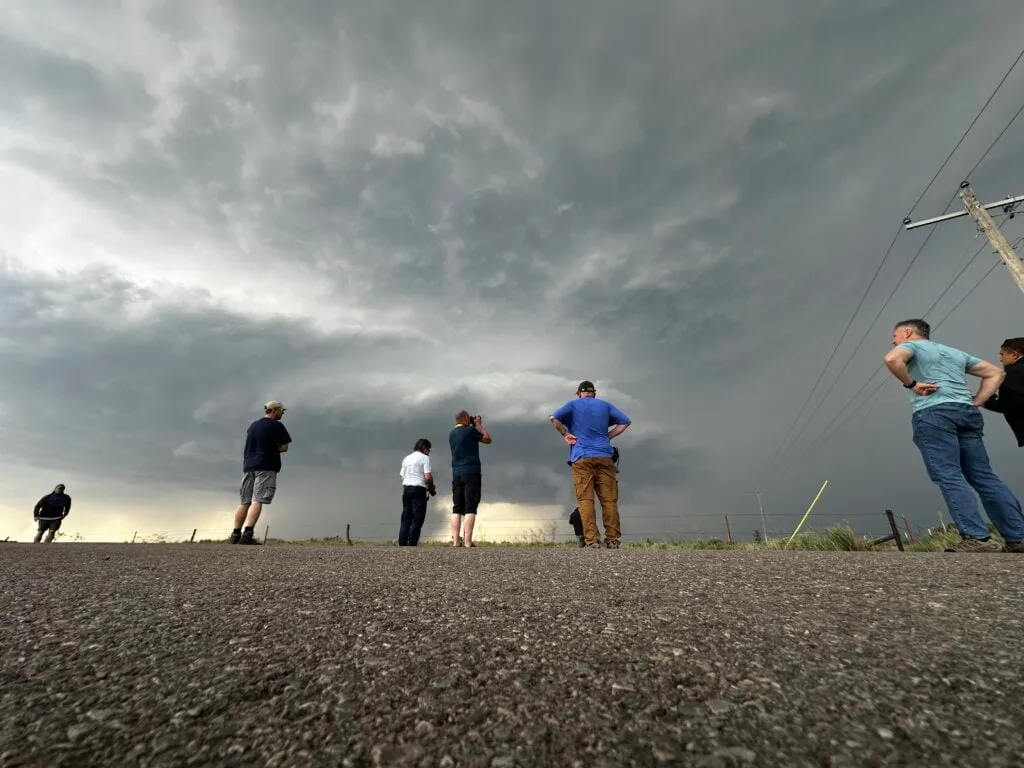
Storm photography can change quickly from wide landscape scenes to distant cloud details, lightning and fast-moving storm structure. Preparing a camera before a 2027 storm chasing tour helps photographers respond without delaying the group or missing an important moment.
The most useful equipment is not always the largest collection of lenses and accessories. Storm chasing involves long road journeys, changing weather, short observation stops and rapid repositioning. A compact, organized setup is generally easier to protect, carry and return to the vehicle when guides announce that it is time to move.
Choose a Flexible Lens Combination
A wide-angle lens is one of the most useful options for storm photography. It can capture the full scale of a supercell, including the updraft, storm base, surrounding landscape and precipitation area.
A moderate telephoto lens is helpful when the storm remains farther away. It can isolate rotating cloud bases, rain shafts, lightning or distant details that would appear too small in a wide composition.
Carrying two practical lenses is often more efficient than bringing a heavy collection. Photographers should be able to switch equipment quickly without leaving cases or accessories spread around an observation area.
Prepare Batteries and Memory Cards
Storm chasing days can involve many photographs, video clips and long periods away from convenient charging points. Batteries should be fully charged before leaving the hotel each morning.
Bring several spare batteries and store them in an easy-to-reach section of the camera bag. A portable power bank can help recharge phones or compatible equipment during road travel.
Memory cards should have enough capacity for the expected shooting format. Anyone capturing RAW files, high-resolution video or time-lapse sequences may need considerably more storage than a casual smartphone photographer.
Before the tour begins:
-
Format memory cards after backing up existing files
-
Label spare batteries and confirm they hold a charge
-
Pack a portable charger and suitable cables
-
Check the camera’s date, time and file settings
-
Test every lens, card and accessory at home
Small technical checks can prevent avoidable problems during an active chase day.
Protect Equipment From Plains Weather
A camera may be exposed to rain, wind, dust, sudden temperature changes and moisture. Basic weather protection should therefore remain accessible rather than buried inside a suitcase.
A fitted rain cover or simple waterproof camera sleeve can protect the body and lens during light precipitation. Lens cloths are useful for removing dust and moisture, while a sealed bag can protect batteries, cards and small electronic accessories.
Photographers should avoid changing lenses in dusty or windy conditions whenever possible. Keeping one lens attached until the environment becomes calmer can reduce the risk of dirt reaching the camera sensor.
Keep the Camera Bag Compact
The official FAQ recommends a soft-sided suitcase and a smaller carry-on for essentials such as cameras and batteries. It also emphasizes that guests must be able to return equipment to the vehicles quickly.
A compact shoulder bag or backpack is usually more practical than several hard cases. The bag should fit comfortably within the allocated passenger and luggage space without blocking the aisle.
Frequently used items should have consistent positions inside the bag. Photographers should know where to find batteries, cards, cloths and rain protection without searching through multiple compartments.
Use Tripods Only When Conditions Allow
The operator permits tripods but explains that they may not always be allowed during active chasing because setup and breakdown can delay the group. Tripods are more appropriate when the team expects to remain in one location for more than five minutes or when guests are photographing lightning.
A lightweight tripod is easier to move than a large professional model. A monopod may be an even more practical alternative because it adds stability while remaining quicker to pack.
Whatever support system is chosen, photographers must be able to secure it immediately when guides request repositioning.
Practice Camera Settings Before Traveling
A storm observation stop is not the ideal time to learn basic camera controls. Photographers should practice changing shutter speed, aperture, ISO and focus mode before the trip.
Useful preparation includes learning how to:
-
Switch quickly between autofocus and manual focus
-
Adjust exposure without entering several menu screens
-
Use continuous shooting for changing storm structure
-
Select a suitable shutter speed for lightning or moving clouds
-
Review highlights without spending too long checking images
The goal is not to use one perfect setting throughout the tour. It is to understand the camera well enough to adapt when light and storm movement change.
Prepare for Tour 6 Photography Conditions
Tour 6 is particularly relevant to photographers because it follows the 2027 season into the Central Plains. Guests arrive in Wichita on June 12 and chase from June 13 through June 18.
The official description highlights broad vistas, isolated mothership-style storms and potential routes extending from traditional chasing grounds near Oklahoma into Nebraska and beyond. The package includes five hotel nights, transportation, fuel, forecast experts, guides and drivers, weather forecast briefings and a guaranteed window seat.
The company also describes the High Plains as favorable for photography because thinner, less hazy air can provide clearer views of developing storms.
Back Up Images During the Tour
Photographs should not remain on one memory card for the entire journey. When time permits at the hotel, files can be copied to a laptop, portable drive or another secure storage device.
Keep the original files on the memory card until the backup has been checked. Organizing folders by date or chase day can make the collection easier to review after returning home.
Conclusion
Preparing a camera for a 2027 storm chasing adventure means balancing image quality with speed and mobility. A wide-angle lens, moderate telephoto lens, spare batteries, sufficient memory and basic weather protection will cover most situations without creating unnecessary baggage.
Photographers should practice their settings, organize equipment consistently and use tripods only when the guides permit them. With a compact and dependable setup, guests can focus on storm structure, changing light and Plains landscapes while remaining ready to reposition whenever conditions demand it.
