
The Inca Trail to Machu Picchu stands as South America’s most legendary trek, combining physical challenge with archaeological wonder and natural beauty in proportions that have captivated adventurers for generations. This ancient footpath, constructed over 500 years ago by the Inca civilization, winds through cloud forests, alpine tundra, and subtropical jungle while ascending mountain passes exceeding 4,200 meters before culminating in the mystical sunrise arrival at Machu Picchu through the Sun Gate. Far more than a hiking route, the Inca Trail represents a spiritual journey retracing steps of Inca pilgrims, passing remarkably preserved archaeological sites, and experiencing landscapes where condors soar above glaciated peaks. For those seeking transformative travel experiences where history, culture, and nature converge, the Inca Trail delivers a four-day odyssey that remains etched in memory as a life-defining achievement.
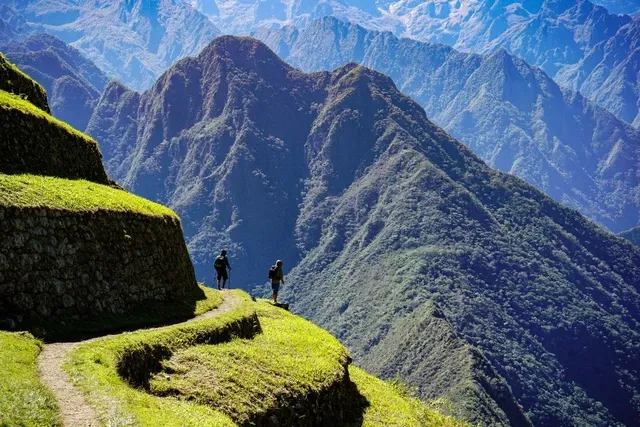
Historical Significance: Walking in Ancient Footsteps
The Inca Trail forms part of the vast Qhapaq Ñan (Royal Road) , an extensive network of approximately 40,000 kilometers of pathways connecting the Inca Empire’s far-flung territories from Colombia to Chile. These sophisticated routes facilitated communication, trade, military movement, and administrative control across the empire known as Tawantinsuyu. The section leading to Machu Picchu served ceremonial purposes, allowing elite pilgrims to approach the sacred citadel through controlled, ritualized progression.
The trail’s construction demonstrates remarkable engineering prowess. Inca masons carved steps directly into mountainsides, constructed stone-paved sections that have survived five centuries of use, and engineered drainage systems preventing erosion during torrential rains. Strategic placement of way stations (tambos) provided rest and provisions for travelers, while agricultural terraces supplied food and prevented landslides. This infrastructure represents urban planning and engineering sophistication rivaling contemporary civilizations worldwide.
Archaeological sites dotting the trail reveal its sacred character. These weren’t merely functional waypoints but ceremonial centers where pilgrims performed rituals, made offerings, and prepared spiritually for Machu Picchu’s approach. The increasing architectural sophistication as the trail nears its destination suggests intentional progression from mundane to sacred space, transforming the journey itself into religious experience.
Day-by-Day Journey: The Classic Four-Day Trek
Day One: Sacred Valley to Wayllabamba
The adventure begins at kilometer 82 along the Urubamba River after checkpoint registration where permits are verified and trail access controlled. The Peruvian government strictly limits daily entries to 500 people including guides, porters, and trekkers as a conservation measure preventing overcrowding and environmental degradation. This exclusivity makes advance booking essential, with prime dry-season dates selling out 5-6 months ahead.
The initial section follows relatively gentle terrain through the Sacred Valley, offering gradual acclimatization before subsequent days’ challenges. The landscape features agricultural terraces still cultivated by local communities, eucalyptus groves introduced during colonial periods, and the Urubamba River flowing powerfully below. The archaeological site of Llactapata provides the first historical encounter with terraces cascading down hillsides overlooking the valley, demonstrating Inca agricultural engineering that maximized arable land in mountainous terrain.
The trail gradually climbs toward the first campsite at Wayllabamba (3,000 meters), where support crews establish tents, prepare meals, and create surprisingly comfortable camps despite remote wilderness settings. Evening brings the first taste of porter-prepared cuisine: hearty soups, fresh vegetables, and substantial proteins fueling the next day’s demanding ascent. The night sounds of the Urubamba River provide natural soundtracks for sleep in anticipation of tomorrow’s greatest physical challenge.
Day Two: Dead Woman’s Pass and the Ultimate Test
Day two presents the trek’s most formidable obstacle ascending to Warmiwañusca (Dead Woman’s Pass) at 4,215 meters elevation. The Quechua name references the pass’s profile, said to resemble a supine woman when viewed from specific angles. The climb proves grueling as thin air makes every step laborious. At this altitude, oxygen concentration drops to roughly 60% of sea-level amounts, forcing bodies to work extraordinarily hard for basic movement.
The ascent typically begins through cloud forest zones where humidity increases and vegetation becomes lusher. Polylepis trees among the world’s highest-elevation tree species twist into gnarled shapes sculpted by harsh conditions. Orchids, bromeliads, and other epiphytes cling to branches, while hummingbirds dart between flowers despite the challenging altitude.
As the trail climbs above the treeline, alpine tundra replaces forest. Hardy grasses and low shrubs represent the only vegetation capable of surviving this elevation’s extreme conditions. The views expand dramatically as glaciated peaks emerge on horizons, while the valley drops away below revealing the route’s impressive elevation gain. Many trekkers question their ability to continue, legs burning and altitude symptoms manifesting as headaches or nausea.
Reaching the pass delivers overwhelming accomplishment. Trekkers celebrate with photos, coca leaves, and the profound satisfaction of conquering this formidable challenge. The traditional practice involves leaving stones at the apacheta (sacred cairn), requesting safe continued passage from the mountain spirits. The descent toward Pacaymayo Valley offers welcome respite from climbing, though steep downhill sections challenge knees and require concentration on loose stones.
Day Three: Archaeological Treasures and Cloud Forest Descent
Day three showcases the trail’s archaeological richness while traversing two additional passes less extreme than Warmiwañusca but still demanding at altitude. The route visits spectacular Inca sites revealing the civilization’s architectural and engineering brilliance.
Runkurakay appears first as a circular structure perched strategically for valley surveillance. Its precise function remains debated, though most scholars suggest it served as tambo (way station) for chasquis (relay runners) who transmitted messages across the empire at remarkable speeds. The stonework demonstrates classic Inca construction precisely fitted blocks requiring no mortar yet remaining stable through centuries of earthquakes.
Sayacmarca (“Inaccessible Town”) clings impossibly to cliff edges, accessible only via narrow stone staircases requiring careful navigation. This remarkable complex features residential areas, ceremonial platforms, and water channels demonstrating sophisticated hydraulic engineering. The defensive positioning suggests strategic importance, though the site’s remote location and limited size indicate elite rather than common usage.
Phuyupatamarca (“Cloud-level Town”) represents the trail’s architectural pinnacle. This extensive site features ceremonial baths fed by natural springs, residential complexes with stunning views, and agricultural terracing integrated seamlessly with topography. The name proves apt as clouds frequently envelope the ruins, creating atmospheric conditions where stone structures emerge mysteriously from mist.
The descent from Phuyupatamarca drops nearly 1,000 meters through Inca-engineered stone stairways toward subtropical cloud forest. The environment transforms dramatically, temperature and humidity increase, vegetation becomes luxuriant, and biodiversity explodes. Orchids, ferns, and moss-covered trees create jungle environments where spectacled bears occasionally roam, though sightings remain rare. The trail reaches Wiñay Wayna (“Forever Young”) an extensive terraced complex with ruins rivaling Machu Picchu itself in scale and beauty. Here trekkers spend the final night, anticipating building for tomorrow’s sunrise arrival at the ultimate destination.
Day Four: The Sun Gate and Machu Picchu Revelation
The final day requires 3:30-4:00 AM departures, hiking by headlamp through pre-dawn darkness toward Inti Punku (Sun Gate). The anticipation during this approach proves almost unbearable four days of effort, stunning landscapes, and archaeological wonders culminating in the moment that justified the entire journey.
As dawn breaks, trekkers reach Inti Punku and Machu Picchu reveals itself as stone structures glowing amber in first light, surrounded by mist-shrouded peaks creating scenes of surreal beauty. This moment justifies every challenging step, sore muscle, and sleepless night at altitude. Arriving via the Inca Trail rather than train or bus creates profoundly different experiences: the accomplishment, the gradual approach through sacred geography, and the sunrise revelation combine producing emotional impacts that mere sightseeing cannot replicate.
After absorbing the spectacle from the Sun Gate, trekkers descend to explore Machu Picchu during dedicated guided tours. Despite exhaustion from days of trekking, the citadel’s magnificence commands attention precisely fitted stones, astronomical alignments, agricultural terraces, temple complexes, and residential areas demonstrating Inca civilization at its zenith.
Permits, Regulations, and Booking Strategies
The Peruvian government’s strict permit system protects the trail from overuse while maintaining exclusivity. The 500-person daily limit includes approximately 200 tourists plus 300 guides, porters, and support staff. Permits sell out months in advance for the dry season (May-September), requiring strategic booking as soon as travel dates are confirmed.
Only licensed tour operators can arrange Inca Trail permits. Independent trekking is prohibited, ensuring all groups have trained guides and proper support. This regulation also provides employment for local communities and ensures safety through experienced leadership. Choosing reputable operators proves crucial porter treatment, guide quality, equipment standards, and environmental practices vary dramatically across companies.
The trail closes entirely during February for maintenance and environmental recovery. This annual closure allows restoration work, vegetation recovery, and preservation of archaeological sites from year-round traffic.
Physical Preparation and What to Expect
Successful Inca Trail completion requires moderate fitness and proper altitude acclimatization. While no technical climbing skills are needed, cardiovascular endurance and leg strength determine comfort during sustained uphill efforts and steep descents. Pre-trek training should emphasize hiking with elevation gain, stair climbing, and cardio exercises building endurance.
Acclimatization proves absolutely essential. Spending 2-3 days minimum in Cusco (3,400 meters) before starting allows bodies to begin adjusting to reduced oxygen. Those arriving from sea level directly to Cusco then immediately starting the trail often suffer acute mountain sickness that transforms magnificent experiences into miserable ordeals.
Porters carry the majority of equipment, tents, cooking gear, food supplies allowing trekkers to hike with daylight daypacks containing water, snacks, rain gear, and personal items. Maximum porter loads are regulated at 20 kilograms including their personal belongings, a reform addressing historical exploitation.
Environmental Ethics and Cultural Respect
The Inca Trail’s popularity creates conservation challenges. Daily visitor limits help, but enforcement of leave-no-trace principles remains essential. Trekkers must pack out all trash, use designated toilet facilities, stay on trails preventing erosion, and avoid disturbing archaeological sites or vegetation.
Cultural sensitivity enhances experiences while respecting local communities. Porters deserve fair treatment, appropriate wages, and respect. They make the journey possible through extraordinary physical labor at altitude. Learning basic Quechua phrases, understanding Andean spiritual traditions, and approaching sacred sites with reverence demonstrates cultural awareness.
Conclusion
The Inca Trail to Machu Picchu represents far more than a hiking route; it’s a pilgrimage through time connecting modern trekkers with ancient civilizations, a physical challenge testing limits while rewarding perseverance with incomparable beauty, and a transformative journey where history, nature, and personal achievement converge. From the initial steps at kilometer 82 through cloud forests and mountain passes, past archaeological marvels revealing Inca sophistication, to the ultimate sunrise revelation of Machu Picchu emerging from mist, every moment contributes to experiences that transcend tourism and become defining life memories. For those seeking adventures that demand effort while delivering rewards measurable not in photographs but in personal transformation, the Inca Trail stands unmatched as a sacred pathway where past and present merge, and the journey itself becomes the destination.
Frequently Asked Questions
Q: How far in advance should I book the Inca Trail? A: Book 5-6 months in advance, especially for the dry season (May-September). Permits are limited to 500 people daily including guides and porters, selling out quickly for popular dates. Last-minute availability occasionally exists during wet seasons or shoulder months.
Q: How difficult is the Inca Trail? A: Moderately to strenuously difficult, requiring good fitness for 4 days of hiking averaging 6-7 hours daily with maximum elevation of 4,215 meters. The altitude presents the greatest challenge. Proper acclimatization, training, and pacing make it achievable for reasonably fit individuals without mountaineering experience.
Q: What is included in Inca Trail tours? A: Reputable operators include permits, professional guides, porters carrying group equipment, camping gear, all meals during the trek, and Machu Picchu entrance. Personal porters for individual gear (typically extra cost), sleeping bags, and trekking poles may or may not be included depending on the operator.
Q: Can I hike the Inca Trail independently? A: No, independent trekking is prohibited. All visitors must book through licensed tour operators with certified guides. This regulation protects the trail, ensures safety, provides local employment, and maintains service quality through operator accountability.
Q: What happens if I can’t complete the trail due to altitude sickness? A: Guides assess health continuously and will arrange evacuation if serious altitude sickness develops. Emergency horses can transport those unable to continue to points where vehicle access exists. Travel insurance covering medical evacuation is strongly recommended, as rescue costs can be substantial.
