
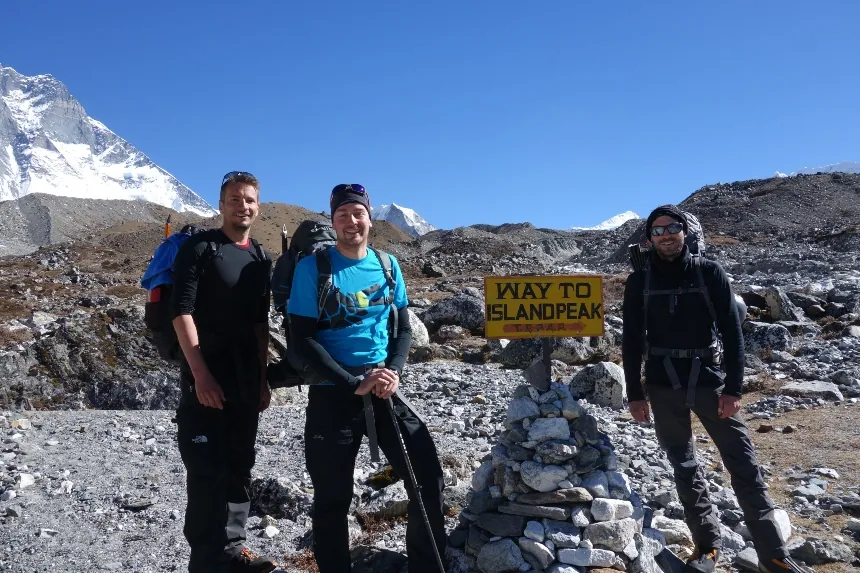
For adventurers and climbers alike, Island Peak holds a special allure. Known locally as Imja Tse, its 6,189-meter summit is one of the most climbed trekking peaks in Nepal, located amid the world-famous Everest region. Whether you dream of reaching Island Peak for its stunning 360-degree Himalayan vistas or want to test your mountaineering skills, the climb has become a favorite for trekkers worldwide.
In this blog, we’ll address the most commonly asked questions about Island Peak climbing. From its challenges to preparation tips and what to expect along the way, we’ve got you covered.
What is Island Peak Climbing Like?
Island Peak climbing is a combination of trekking and mountaineering. The name “Island Peak” was originally given by Eric Shipton in 1951, as the peak appears like an island surrounded by glaciers when viewed from Dingboche. Since then, it has become a gateway for climbers hoping to summit higher Himalayan peaks like Ama Dablam or Mount Everest.
The climb offers steep ascents, icy crevasses, ladder crossings, and unforgettable moments on the summit ridge. Climbers often balance physical endurance with technical mountaineering skills (such as using ropes and crampons) to reach the top.
Here’s what you can expect on an Island Peak itinerary:
- Trekking Trails: The trek begins with the classic Everest Base Camp route. You’ll pass through Sherpa villages, rhododendron forests, and suspension bridges before reaching Chukhung Valley.
- Summit Day: This involves technical climbing, including ascending steep snow slopes up to 45 degrees and using fixed ropes along the summit ridge.
- Alpine Scenery: Once atop Island Peak, you’ll see panoramic views of Lhotse, Nuptse, Ama Dablam, Makalu, and Baruntse.
How Difficult is Island Peak to Climb?
While Island Peak is considered achievable for most trekkers, its challenges shouldn’t be underestimated. It’s rated as a trekking peak, meaning it demands both physical fitness and basic climbing knowledge. Here are the key factors to consider regarding its difficulty:
Altitude
At 6,189 meters, altitude is the most significant challenge. Even seasoned climbers can feel the strain of lower oxygen levels. Proper acclimatization along the trail is essential to minimize the risk of altitude sickness.
Technical Skills
Island Peak may not require extreme technical mountaineering skills, but you’ll need to familiarize yourself with equipment such as crampons, ice axes, harnesses, and fixed ropes. Most tours include a pre-climb training session.
Physical Fitness
Climbers often face steep ascents, long trekking distances, and cold weather. Preparing with cardiovascular training, strength-building exercises, and endurance activities is crucial.
Weather Conditions
Weather in the Everest region is notoriously unpredictable. Winds can be extremely strong near the summit, and cold temperatures challenge climbers during early morning summit pushes.
When is the Best Time to Climb Island Peak?
The best time for Island Peak climbing is during the two main trekking seasons in Nepal:
- Spring (March to May):Known for stable weather and blooming rhododendrons, spring season offers excellent climbing conditions.
- Autumn (September to November):Another popular season, autumn brings crisp, dry weather, allowing for breathtaking, clear mountain views.
It’s possible to attempt the climb during winter (December to February) if you’re prepared for blistering cold, but monsoon months (June to August) are best avoided due to heavy rainfall and risks of avalanches.
Do I Need a Guide for Island Peak Climbing?
Yes, a guide is highly recommended. Island Peak is located in high-altitude, remote terrain, and certified guides bring several benefits:
- Expert Navigation:Local guides understand the region’s paths, weather, and potential hazards.
- Technical Support:Guides will help you with mountaineering techniques and climbing equipment, ensuring safe crevasse crossings and fixed-rope ascents.
- Safety Priority:From recognizing altitude sickness symptoms to handling emergencies, professional guides prioritize climbers’ well-being.
Most climbers opt to book guided tours with trekking companies that take care of logistics, permits, and climbing gear.
What Permits Are Required for Island Peak Climbing?
Climbing Island Peak requires several permits, which are typically managed by your tour operator. These include:
- Climbing Permit for Island Peak:Issued by the Nepal Mountaineering Association (NMA). Fees vary based on the season.
- Sagarmatha National Park Entry Permit:Necessary to enter the Everest region.
- Khumbu Pasang Lhamu Rural Municipality Permit:A local fee for the Khumbu area trek.
Make sure your documents are ready before setting off, and consult your tour company for guidance.
What Should I Pack for Island Peak Climbing?
Proper packing is vital for a successful Island Peak climb. Here’s a checklist to guide you:
Clothing
- Insulated jacket
- Thermal base layers
- Fleece jacket and pants
- Waterproof gloves and shell jacket
- Down sleeping bag (rated for -20°C or colder)
Equipment
- Crampons, ice axe, and harness => often included in guided tours
- Climbing helmet
- Trekking poles
- Headlamp with extra batteries
Essentials
- High-SPF sunscreen and lip balm
- Sunglasses with UV Protection
- Energy snacks
- Hydration bladder or reusable water bottles
Pro tip: Layering is key to staying comfortable in fluctuating mountain temperatures.
What’s the Cost of Climbing Island Peak?
Costs can vary depending on the services provided by your tour operator, but on average:
- Guided Package Tours: $2,000–$4,000, including trek guides, meals, accommodations, permits, and climbing gear.
- Individual Expenses: Flights to Lukla, insurance, and tips for guides/porters are additional costs to consider.
Make sure your budget includes travel insurance that covers high-altitude trekking and mountaineering.
Why Should You Climb Island Peak?
Island Peak is more than just a summit; it’s a transformational experience. You’ll:
- Challenge yourself physically and mentally.
- Be rewarded with unparalleled Himalayan views.
- Gain technical climbing skills for future expeditions.
- Immerse yourself in the unique Sherpa culture of the Khumbu region.
For adventurers looking to step outside their comfort zone, this peak offers the perfect balance of challenge and reward.
Take the First Step Towards Island Peak
Island Peak climbing offers not only an iconic adventure but also memories that last a lifetime. With proper preparation, guided expertise, and a spirit of determination, this climb could be the beginning of your love for mountaineering.
Start planning your climb today. Research tour companies specializing in Himalayan trekking, prep your fitness routine, and step closer to the summit!
