
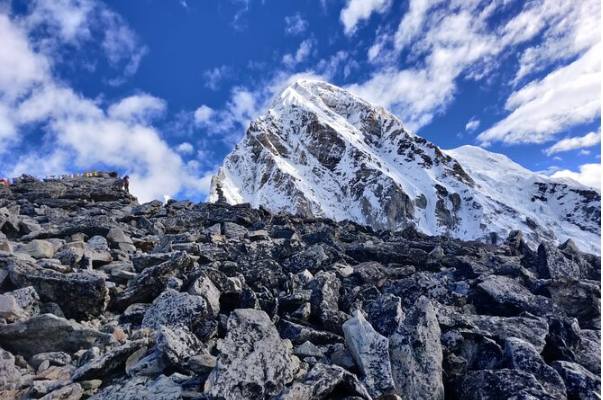
Few adventures on Earth capture the imagination quite like the journey to Everest Base Camp. Situated at an elevation of 5,364 meters (17,598 feet) in Nepal’s Khumbu region, this iconic trek offers ordinary adventurers the chance to walk in the footsteps of mountaineering legends while experiencing the extraordinary beauty of the Himalayas.
The Allure of Everest Base Camp
The Everest Base Camp (EBC) trek isn’t merely a hike; it’s a pilgrimage through breathtaking landscapes, rich Sherpa culture, and mountaineering history. While reaching the summit of Mount Everest remains a feat for elite climbers, the trek to its base camp represents an achievable yet challenging goal for reasonably fit trekkers.
What makes this journey special is the perfect blend of natural splendor and cultural immersion. As you ascend through the Khumbu Valley, you’ll witness dramatic changes in landscape—from lush forests and terraced fields to alpine meadows and finally the stark, magnificent glacial terrain of the higher elevations.
Best Time to Undertake the Trek
The Everest region experiences four distinct seasons, each offering a different trekking experience:
Pre-monsoon (March to May): Spring brings warmer temperatures, blooming rhododendron forests, and excellent visibility. This is one of the most popular seasons, with April offering the perfect balance of comfortable temperatures and clear mountain views.
Monsoon (June to August): Heavy rainfall makes trails slippery and clouds often obscure mountain views. However, the landscape turns lush green, and fewer trekkers mean more authentic cultural experiences in teahouses and villages.
Post-monsoon (September to November): The absolute prime time for trekking. Crystal-clear skies provide spectacular mountain panoramas, comfortable daytime temperatures, and stable weather conditions. October is particularly coveted for its perfect trekking conditions.
Winter (December to February): Significantly colder with snow-covered trails, winter trekking demands proper preparation. The trade-off is solitude on the trails and a unique perspective of the Himalayas in their winter glory.
Physical Preparation and Acclimatization
The EBC trek isn’t technically difficult but requires reasonable fitness and proper acclimatization. The primary challenge is adjusting to increasing altitudes as you progress. Most itineraries span 12-14 days, deliberately incorporating rest and acclimatization days at critical elevations.
Adequate preparation should include:
- Cardiovascular training (hiking, stair climbing, cycling)
- Strength exercises focusing on legs and core
- Practice hikes with a loaded backpack
- Familiarization with proper breathing techniques
Remember that altitude sickness can affect anyone regardless of fitness level. The golden rule is to ascend slowly, stay hydrated, and recognize symptoms early. Most reputable guides follow the “climb high, sleep low” principle, organizing day hikes to higher elevations before returning to lower altitudes for overnight stays.
The Classic Route
The standard EBC trek typically follows this route:
- Lukla (2,860m): Most journeys begin with the thrilling flight to Lukla’s short, sloped runway.
- Phakding (2,610m): An easy first day’s walk downhill and along the Dudh Koshi River.
- Namche Bazaar (3,440m): The commercial hub of the Khumbu region requires a challenging uphill trek.
- Acclimatization day: Typically spent exploring Namche or hiking to nearby viewpoints.
- Tengboche (3,870m): Home to the region’s largest monastery with stunning Everest views.
- Dingboche (4,410m): The landscape transitions to alpine terrain above the tree line.
- Acclimatization day: Often includes a hike to nearby ridges for acclimatization.
- Lobuche (4,940m): The air noticeably thins as you approach the final stretch.
- Gorak Shep (5,170m): The last settlement before Base Camp.
- Everest Base Camp (5,364m): The culmination of your journey, with views of the Khumbu Icefall.
- Kala Patthar (5,645m): An optional but highly recommended side trip for the best views of Everest’s summit.
From here, most trekkers return via the same route, though some choose alternative paths back to add variety.
Cultural Immersion
What sets the EBC trek apart from many mountain adventures is the rich cultural experience. The trail passes through the homeland of the Sherpa people, renowned for their mountaineering expertise and Buddhist traditions.
Key cultural highlights include:
- Tengboche Monastery: The spiritual center of the Khumbu region
- Prayer wheels and mani stones: Buddhist religious artifacts that line the trails
- Traditional teahouses: Family-run lodges offering simple accommodations and hearty meals
- Sherpa museums: Particularly in Namche Bazaar, documenting the region’s mountaineering history
Respect for local customs enhances the experience. Remember to walk clockwise around religious monuments and ask permission before photographing people.
Practical Considerations
Permits: Two permits are required—the Sagarmatha National Park Entry Permit and the Khumbu Pasang Lhamu Rural Municipality Entrance Permit.
Accommodations: The teahouse trekking system provides basic but comfortable lodging throughout the route. Facilities become more primitive at higher elevations.
Food and water: Meals typically consist of dal bhat (rice and lentils), noodles, potatoes, and other hearty foods. Treat all water before drinking, either with purification tablets or by purchasing boiled water.
Connectivity: Wi-Fi is available in most teahouses for a fee, though connection quality decreases with altitude. Local SIM cards with data plans are an economical alternative.
Budget: Excluding flights to Nepal, budget approximately $25-35 per day for accommodations and meals. Prices increase with altitude, and carrying extra cash is essential as ATMs are scarce.
Environmental Responsibility
The Everest region faces significant environmental challenges from increased tourism. Responsible trekkers:
- Carry out all non-biodegradable waste
- Use refillable water bottles and water purification methods
- Support lodges with environmentally sustainable practices
- Stay on established trails to prevent erosion
- Consider carbon offsetting for flights
Conclusion
The journey to Everest Base Camp represents more than a trek—it’s a transformative experience that combines physical challenge, natural beauty, and cultural discovery. While reaching the destination brings immense satisfaction, the true value lies in the journey itself: the daily rhythm of walking beneath towering peaks, the camaraderie formed with fellow trekkers, and the perspective gained from experiencing one of Earth’s most magnificent landscapes.
Whether you’re an experienced trekker or embarking on your first major hiking adventure, the Everest Base Camp trek delivers an authentic Himalayan experience that will remain etched in your memory long after you’ve returned home. With proper preparation, respect for the environment and local cultures, and an open mind, this iconic trek offers rewards far beyond the breathtaking views—it provides a profound connection to the roof of the world and the remarkable people who call it home.
